Interview with Ed Howard, author of One Breath Leadership: The Burnout-Resilient, Neuroscience-Backed System for Executives and Managers Who Don’t Have Time to Meditate
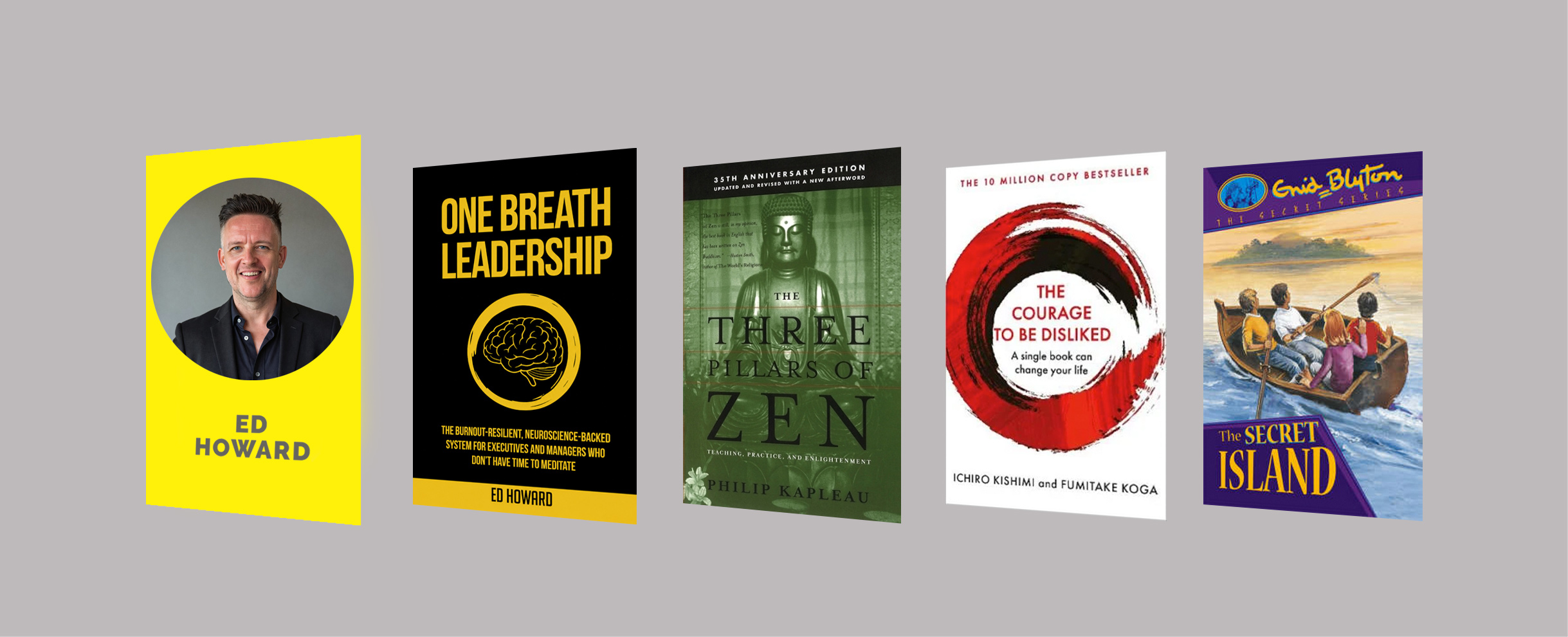
Ed Howard, author of One Breath Leadership: The Burnout-Resilient, Neuroscience-Backed System for Executives and Managers Who Don’t Have Time to Meditate recommends a superb set of books! Before jumping into the interview, please check out Ed's book:
Description from One Breath Leadership: (All links earn commission from purchases)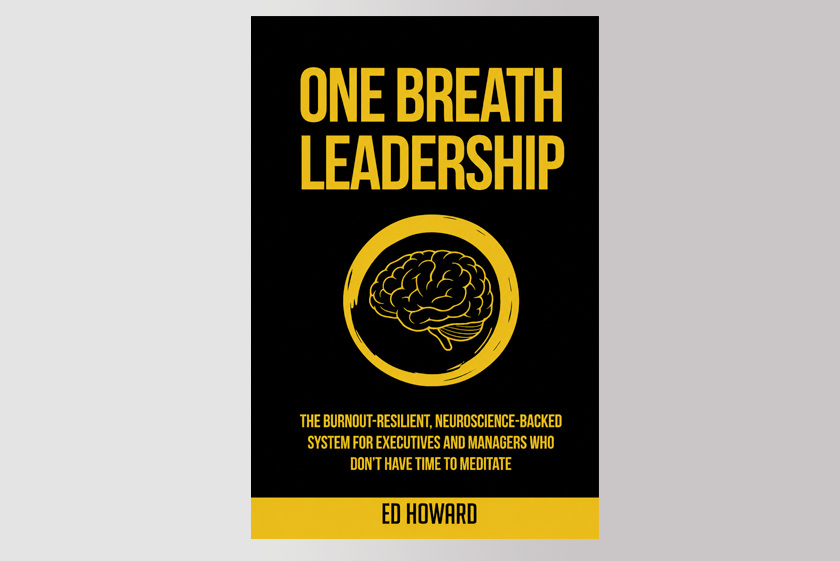
One Breath Leadership: The Burnout-Resilient, Neuroscience-Backed System for Executives and Managers Who Don’t Have Time to Meditate
What if the most powerful leadership development tool you could give your people requires nothing more than 'One Breath'?
One Breath Leadership introduces a neuroscience-backed, Zen-informed framework that equips leaders to regulate their stress response, make better decisions under pressure, and show up with the presence and emotional intelligence their teams need, immediately and consistently.
Written for executives, senior leaders, managers, and C-suite professionals, HR leaders, L&D professionals, and executive coaches serious about sustainable leadership performance, this book delivers what most development programmes don't: a methodology leaders will actually use in the moment, not just in the training room.
Drawing on two decades in high-stakes investment banking, five years in Japan, and Soto Zen ordination, author Ed Howard distils a lifetime of practice into a single, transferable framework grounded in neuroscience and field-tested with senior executives.
Ideal for leadership development programmes, executive coaching practices, and organisational resilience initiatives.
One Breath. One shift. One leader at a time.
Buy On:
One Breath Leaderhip
Q. Do you have a favourite smart thinking book (and why that book)?
The Three Pillars of Zen: Teaching, Practice, and Enlightenment by Philip Kapleau. Description from Bookshop.org: (All links earn commission from purchases)
I read it after returning from Japan, suffering from reverse culture shock and trying to make sense of everything I'd experienced, the practice, the culture, the silence. It's not a light read; I've lent it to a few people who found it too heavy and handed it back with a slightly haunted look. But it must have hit me at exactly the right moment, because I rattled through it and then turned straight back to page one and read it again. That almost never happens to me. It's the book that helped me understand what I'd actually been doing for five years. Well some of it anyway!
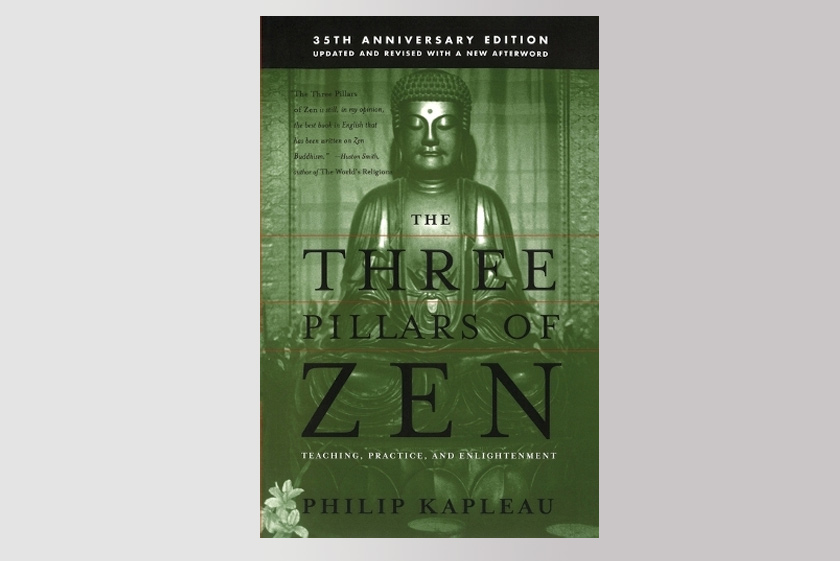
The Three Pillars of Zen: Teaching, Practice, and Enlightenment
In this classic work of spiritual guidance, the founder of the Rochester Zen Center presents a comprehensive overview of Zen Buddhism. Exploring the three pillars of Zen—teaching, practice, and enlightenment—Roshi Philip Kapleau, the man who founded one of the oldest and most influential Zen centers in the United States, presents a personal account of his own experiences as a student and teacher, and in so doing gives readers invaluable advice on how to develop their own practices.
Revised and updated, this 35th anniversary edition features new illustrations and photographs, as well as a new afterword by Sensei Bodhin Kjolhede, who succeeded Kapleau as spiritual director of the Rochester Zen Center. A moving, eye-opening work, The Three Pillars of Zen is the definitive introduction to the history and discipline of Zen.
Buy On:
Bookshop.org UK
Bookshop.org US
Blackwells
Waterstones
Q. What's the most recent smart thinking book you've read (and how would you rate it)?
The Courage to Be Disliked: How to Free Yourself, Change Your Life and Achieve Real Happiness by Ichiro Kishimi, Fumitake Koga. Description from Bookshop.org: (All links earn commission from purchases)
It's written as a Socratic dialogue between a philosopher and a young man, which either works for you or it doesn't. It draws on Adlerian psychology to challenge the idea that we're shaped by our past, arguing instead that we choose our present interpretation of it.
Coming from a Zen background, some of it felt familiar from a different angle, but the Adlerian framing brought it into sharp relief. Quietly radical.
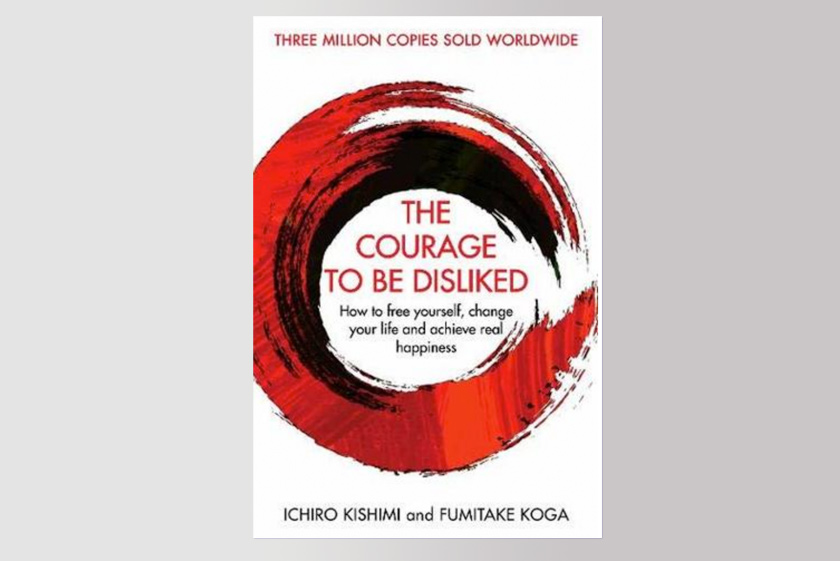
The Courage to Be Disliked: How to Free Yourself, Change Your Life and Achieve Real Happiness
Millions have already benefited from the wisdom dispensed in The Courage to Be Disliked, its simple yet profound advice showing us how to harness our inner power to become the person we would like to be.
A philosopher and a student have a discussion. Their conversation reveals a profoundly liberating way of thinking: by developing the courage to change, set healthy boundaries and resist the impulse to please others, it is possible to find genuine and lasting happiness.
Your life is not something that someone gives you, but something you choose yourself, and you are the one who decides how you live.
Buy On:
Bookshop.org UK
Bookshop.org US
Blackwells
Waterstones
Q. Do you have a favourite childhood book?
The Secret Island by Enid Blyton. Description from Waterstones: (All links earn commission from purchases)
My immediate thought was The Hobbit, but let’s go for The Secret Island by Enid Blyton. Less well-known than her Famous Five or Secret Seven series, which is probably why it's stayed with me. Four children run away to a deserted island on a lake and build an entirely self-sufficient life: a house made from willow branches, a cow they bring across for milk, chickens for eggs, vegetables they grow themselves. As a child I found it completely intoxicating. The whole appeal was the idea that you could step outside the adult world and not only survive but build something better, entirely on your own terms.
Looking back, I suspect it planted an early seed for what I eventually found in a monastery in Japan, the same fantasy of a contained, intentional world where the noise stops and the essentials become clear. Blyton probably didn't mean to write a book about contemplative retreat, but that's what it was for me!
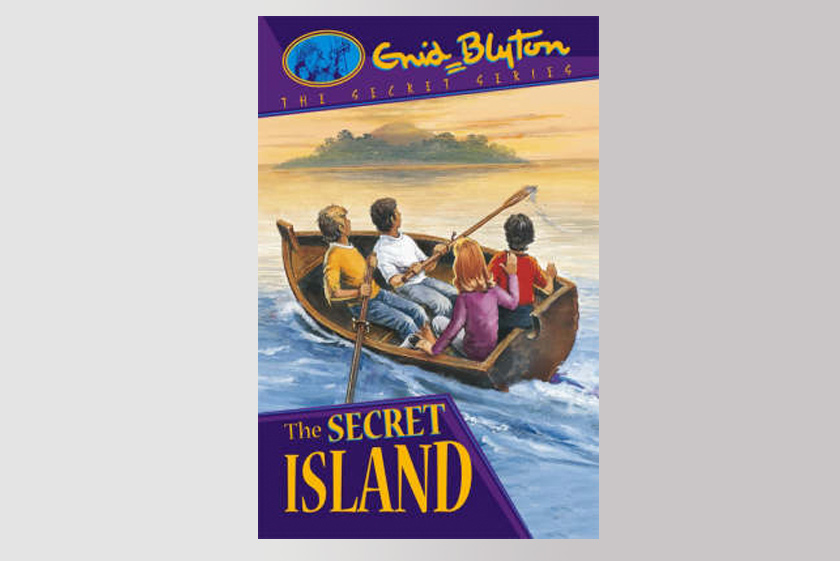
The Secret Island
Four runaways, Mike, Peggy, Nora and Jack, find a secret hiding place—a deserted island on a lovely lake. They build a willow-tree house, make their beds of heather and bracken, and grow their own vegetables. And Jack even manages to bring his cow, Daisy, and some hens to the island for fresh milk and eggs every day! But one day invaders come to the secret island...
Buy On:
Waterstones
Q. Do you prefer reading on paper, Kindle or listening to an audiobook?
Paperback, every time — even though it's been a recurring nightmare every time I've moved house, which has been often in the last decade. There's something about a physical book that a screen just doesn't replicate for me: the marginalia, the dog-ears, the memory of where you were when you read a particular page. I own too many books and I will keep acquiring them. This is a known problem with no planned solution. Also see vinyl records.
Q. Do you have a favourite bookshop (and why that shop)?
Kinokuniya
They change as I move and I've never met a good bookshop I didn't like haha! Right now it's Kinokuniya in Singapore. The English-language floor is enormous and genuinely well-stocked; it carries books that reflect Asia's intellectual life alongside the Western titles, and browsing there resists the algorithm in the best possible way. You always leave with something you weren't looking for.
Many thanks to Ed for recommending a superb set of books! Please don't forget to check out One Breath Leadership: The Burnout-Resilient, Neuroscience-Backed System for Executives and Managers Who Don’t Have Time to Meditate.
Daryl
Image Copyrights: (One Breath Leadership: The Burnout-Resilient, Neuroscience-Backed System for Executives and Managers Who Don’t Have Time to Meditate), Random House USA Inc (The Three Pillars of Zen: Teaching, Practice, and Enlightenment), Allen & Unwin (The Courage to Be Disliked: How to Free Yourself, Change Your Life and Achieve Real Happiness), Award Publications Ltd (The Secret Island).
< Home